Key takeaways
- A wireless fire alarm project moves through five stages: survey, design, supply, installation, and commissioning and sign-off.
- VRF can arrange a site survey within 3 to 5 days anywhere in Ireland, and the survey findings shape every stage that follows.
- VRF surveys, designs and supplies the system, we ensure systems are installed in line with design requirements and manufacturer guidance.
- At handover, the system is tested, verified and documented, including the radio signal readings for each device.
Commissioning a wireless fire alarm system is easier when you know what each stage involves before it starts. Delays on fire alarm projects often come from surprises: a wall that blocks the radio signal, a panel location that doesn’t work, or a design that no longer matches how the building is used.
VRF is a specialist distributor and supplier of wireless fire alarm systems in Ireland, and has supported wireless fire alarm systems for over 25 years. This guide walks through how a project runs with VRF, from the first site survey to final sign-off, and who is responsible at each stage.
What are the stages of a wireless fire alarm project?
Every project follows the same five stages, though the time each one takes depends on the size, layout and use of the building.
| Stage | What happens | Who’s involved |
|---|---|---|
| 1. Survey | Building layout, construction and access are assessed, and radio signal strength is tested on site | VRF |
| 2. Design | Survey findings are turned into device locations, zoning and panel configuration | VRF, with your contractor or consultant |
| 3. Supply | The specified EMS FireCell or SmartCell equipment is supplied for the project | VRF |
| 4. Installation | Devices and control equipment are installed in line with the design drawings | VRF or your installation contractor |
| 5. Commissioning and sign-off | The system is programmed, signal-tested, verified and documented for handover | VRF or your installation contractor |
What happens during a fire alarm system survey?
The survey is a structured assessment of the building before any design work begins. It looks at the building’s layout and construction, access constraints, where devices can realistically be positioned, any installation limitations, and whether a wireless or hybrid system is the right fit.
For wireless systems, VRF also carries out a radio site survey. This involves testing signal strength across the building, identifying structural elements that could affect the signal, confirming communication paths between devices, wireless infrastructure equipment and the fire alarm control panel. The findings are recorded and used to inform the device layout, so the design is based on measured performance rather than assumptions. You can read more on our fire alarm system surveys page.
How is a wireless fire alarm system designed?
VRF uses the survey findings to plan where wireless infrastructure equipment and detection & alarm devices go and how the system is configured. That covers detection coverage, device locations, zoning and panel configuration, all aligned with the project’s requirements.
Wireless design adds a few considerations that a wired system doesn’t have: radio coverage and signal strength, device communication paths, panel capacity, battery management and room for future expansion. It also reflects how the building is used, including occupancy levels, operating hours, access restrictions and any phased construction or upgrade works.
VRF is not a fire engineering consultancy. Design input is focused on wireless system capability, configuration and suitability, including whether EMS FireCell or SmartCell suits the building. See our fire alarm system design page for more.
Who installs the system, and how does VRF support it?
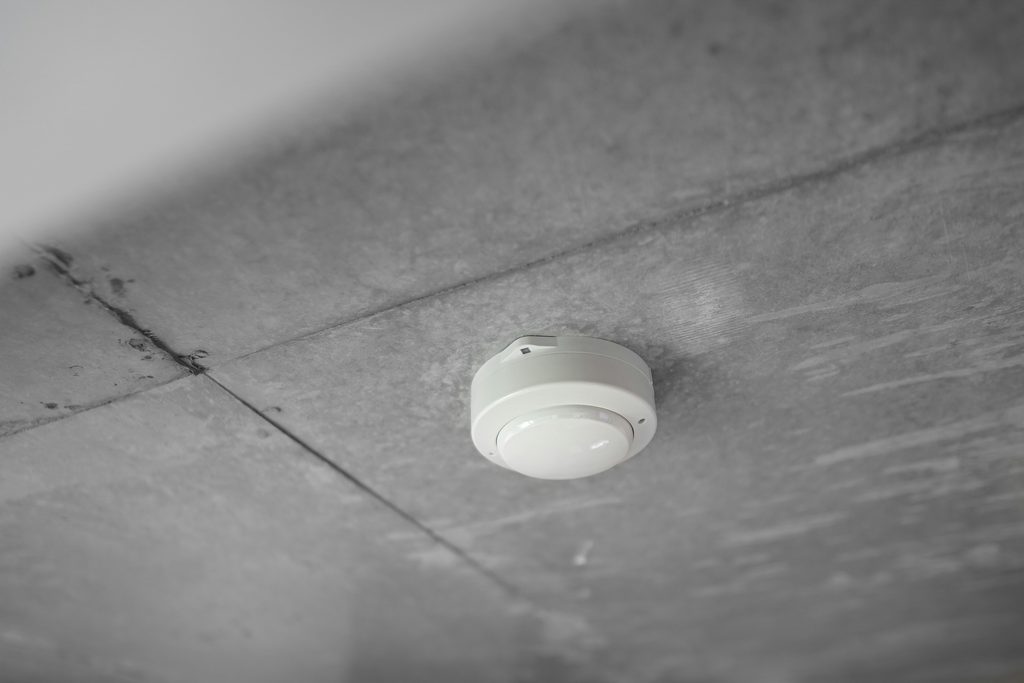
Once the design is agreed, either VRF supplies the specified equipment and a specialist installation contractor carries out the installation, or VRF carries out the full system install. Wireless systems reduce the need for extensive cabling, but they still need to be installed methodically: correct device positioning, secure mounting of control equipment, clear labelling and zoning, structured device addressing, and close alignment with the design drawings.
When working with a specialist installation contractor, VRF supports with technical guidance, clarification of design requirements, and advice on device positioning and configuration. More detail is on our fire alarm installation page.
What happens at commissioning and sign-off?
Commissioning is where the installed system is configured and programmed, tested for signal strength and reliability, and verified to work as designed. VRF ensure testing and commissioning of the system is carried out as per manufacturer’s guidelines and that the system is ready for certification and handover.
Under I.S. 3218:2024, the Irish standard for fire detection and alarm systems, each stage of a project is confirmed in writing, and the signal levels of a wireless system are recorded at commissioning and issued as part of the system handover.
What do you need to provide before the survey?
A survey runs more smoothly when the following are ready:
- Building drawings or floor plans, where available
- How the building is used, including occupancy and operating hours
- Access arrangements for the survey day, including any restricted areas
- Details of any existing fire alarm system, if you’re upgrading
- Any planned building works, phasing or changes of use
If you’re planning a new wireless fire alarm installation or an upgrade, request a site survey and we’ll take it from there.
Frequently asked questions
It depends on the size, layout and use of the building. The first step, a site survey, can be arranged within 3 to 5 days anywhere in Ireland, or sooner for urgent projects. Design then follows directly from the survey findings.
The survey assesses the building’s layout, construction, access constraints and installation limitations, and whether wireless or hybrid suits it. For wireless systems, a radio site survey tests signal strength and confirms communication paths and equipment locations.
Floor plans where available, details of how the building is used, access arrangements, information on any existing system, and any planned works or phasing. This lets the design reflect the building as it will actually operate.
Survey findings, the design layout, and commissioning and signal-strength records form part of the handover. Under I.S. 3218:2024, each stage is confirmed in writing and wireless signal levels are kept with the system logbook.
Yes, on many projects VRF is responsible for both the design and installation of the wireless fire detection system. On other projects, system design and installation responsibility sit with the client’s design team or specialist installation contractor, VRF supports them with technical guidance through survey, programming, testing and commissioning.